Last updated: March 2026. Tickets and opening hours subject to the site.
What This Experience Is
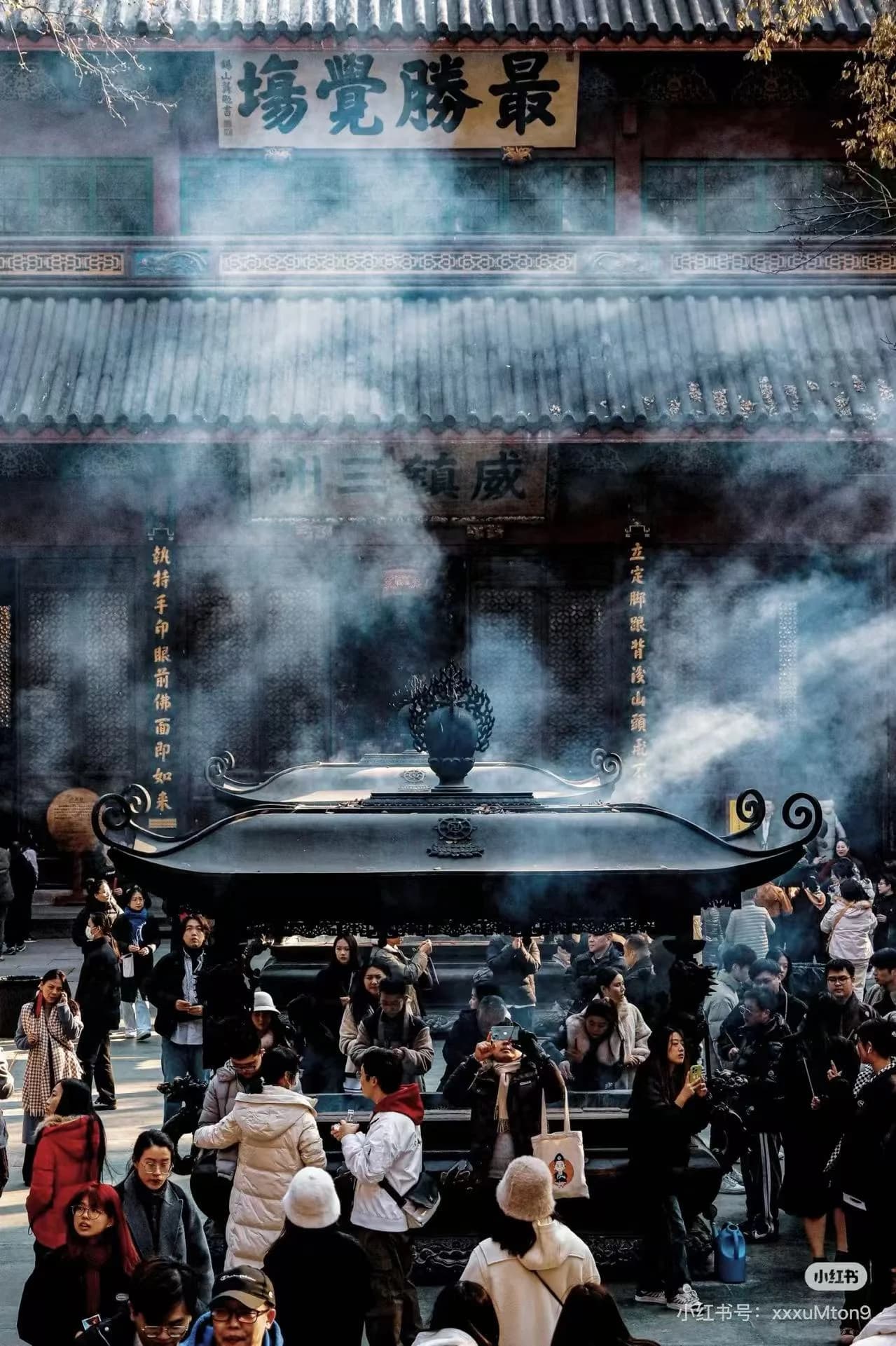
You go to the Lingyin Temple and Feilaifeng area: buy the Feilaifeng ticket to enter the park, follow the hill to see the stone carvings and Cold Spring Pavilion, then buy the Lingyin incense ticket to enter the temple. Inside you can offer incense and pay respects in the halls (Grand Hall for general blessings, Wealth Hall for prosperity, Guanyin Hall for children and marriage, etc.) in the local way. Lingyin is known among locals for “efficacy,” especially for wealth and vows; with Lingyun Temple on North Peak (“number-one wealth temple”) it’s one of Hangzhou’s main places for that. After the halls you can visit the temple’s Buddhist goods counter for blessed bracelets (e.g. “eighteen seeds”) or other items; there’s also Lingyin-themedcultural souvenirs (souvenirs) outside the site and in town. Half a day covers prayer + scenery + Buddhist items/souvenirs—both a cultural and a scenic experience. Many come specially to “pray once”; you don’t have to be Buddhist to feel the weight of a famous temple.
Is It Worth It
If you’re in Hangzhou 2–3 days and interested in temple prayer or Jiangnan hills and stone carvings, Lingyin is well worth half a day: you can experience Chinese temple prayer, don’t mind crowds and incense, or are curious about “wealth” and “efficacy” and how locals pray—all fit. So do liking hills and ancient carvings and wanting both prayer and sightseeing in half a day, or wanting a blessed bracelet or Lingyin souvenirs—all in one go. If you only have one day and prioritise West Lake, Lingyin needs its own half day and two tickets and can wait. No interest in religion or prayer and no desire to walk? The core is temple and hill, so no need for a special trip. Weekends in peak season are very busy—weekdays or early arrival help. Many leave with the satisfaction of “I made a wish at a famous temple”; the wealth and efficacy side can be cultural observation, no need to take it literally but it adds to the story.
The Real Experience
Prayer and Blessings
- Inside the temple you can take free incense at the designated spot (usually 3 sticks per person, confirm on site), offer it at the censer outside the halls—don’t take it into the halls. Grand Hall is for general blessings, Wealth Hall for prosperity, Guanyin for children and marriage; Lingyin is known for “wealth efficacy” and many making vows, on a par with Lingyun on North Peak. Sincerity is enough when you bow; you don’t need to chant. No photos of statues inside, no smoking, keep quiet. Women are advised to dress modestly and avoid shorts/skirts; incense and hall rules can vary by day/time—check on-site notices. If you only want the scenery you can just walk the halls and courtyards and skip the incense.
Feilaifeng and the Scenery
- After entering you first pass Feilaifeng: carvings from Five Dynasties to Song–Yuan line the path; Cold Spring Pavilion is a good rest and view. Then buy the Lingyin incense ticket and enter the temple—Heavenly King Hall, Grand Hall, Medicine Master Hall and others along the axis. Temple and hill are one; half hill, half temple, both prayer and landscape. Feilaifeng has steps and slopes—wear comfortable shoes; allow 2–3 hours; doing the carvings first then the temple is the smoother order.
Buddhist Items and Souvenirs
- Temple counters: Lingyin has several counters selling blessed bracelets, pendants, etc. The well-known “eighteen seeds” bracelet (price as posted in the temple, roughly tens of yuan) is blessed and good for wearing or giving. Buy at the temple counters; stalls outside often sell non-temple items—quality and origin are your call.
- Souvenirs: Lingyin/Feilaifeng themedcultural souvenirs (souvenirs) are sold around the site and in Hangzhou (e.g. luck bags, notebooks, tote bags), often with “blessing” and “good fortune” themes, good as keepsakes. Temple counters focus on Buddhist items;cultural souvenirs is mostly outside or in town—choose as you like.
- For international visitors: Counters mostly take scan or cash; with no English price list, point at the item or ask staff for the price; if unsure on bracelet size, try it on or ask for large/small. Have How to Pay in China ready.
How to Do It (Guide for International Visitors)
Tickets and Order
- Buy the Feilaifeng park ticket first to enter, then buy the Lingyin incense ticket at the temple gate; both are required; prices as posted. Suggested order: enter park → walk Feilaifeng carvings and Cold Spring Pavilion → buy Lingyin ticket at temple gate → enter temple, pray and visit halls → Buddhist goods counter if needed.
Transport
- Several bus lines go to Lingyin; from the stop follow signs to the entrance. By taxi or ride-hail set destination “灵隐寺” (Língyǐn Sì) or “灵隐飞来峰” (Língyǐn Fēiláifēng); if the app isn’t in English, ask the hotel to write it for the driver or show a map. From downtown about 20–40 minutes; in peak season the entrance can be congested—you may get out and walk the last bit.
Payment
- Tickets and temple counters mostly take scan or cash; have How to Pay in China ready. With no English price list, point at the item or ask staff for the price.
Cost Reference
| Item | Reference |
|---|---|
| Feilaifeng park ticket | As posted on site |
| Lingyin incense ticket | As posted (both tickets required) |
| Buddhist items / bracelets | From about tens of yuan, as posted in temple |
Common Mistakes
Mistake 2: Taking photos or smoking inside the halls — No photos of Buddha images, no smoking; you may be reminded or stopped.
Mistake 3: Buying “blessed bracelets” from stalls outside — Temple counters are the official source; outside vendors vary; if you care about blessing and authenticity, buy inside.
Mistake 4: Not having cash or scan — Counters and tickets mostly take scan or cash; have How to Pay in China ready.
Mistake 5: Wearing tank top and shorts into the temple — Dress code (especially for women) can apply; modest long trousers/skirt are safer.
Who It’s For / Who It’s Not For
If you care more about only one day in Hangzhou with West Lake first, no interest in religion, or avoiding peak crowds—skip or go on a weekday and early.
Tip: Allow half a day (2–3 hours); if you get Buddhist items or browsecultural souvenirs or add Yongfu/Taoguang temples, it’s longer.
Before You Go Checklist
- Allow half a day; check Feilaifeng and Lingyin opening times and ticket prices
- Comfortable shoes, modest dress; avoid large bags in halls (some halls have rules; check on site)
- If getting Buddhist items, allow time for queues; decide on eighteen seeds or something else before asking price
- Mobile pay or some cash
Lingyin and Feilaifeng put prayer, scenery and Buddhist items/souvenirs on one line: you can follow local custom and offer incense for wealth and luck, or just walk the halls and hills and get a blessed bracelet or a bit ofcultural souvenirs as a keepsake. Many leave with the satisfaction of “I made a wish at a famous temple”; efficacy aside, the views and bracelets are real—international visitors don’t need to be Buddhist to feel the atmosphere and ritual of a Jiangnan hill temple.