Last updated: March 2026. Ticket and opening hours subject to venue; confirm before you go.
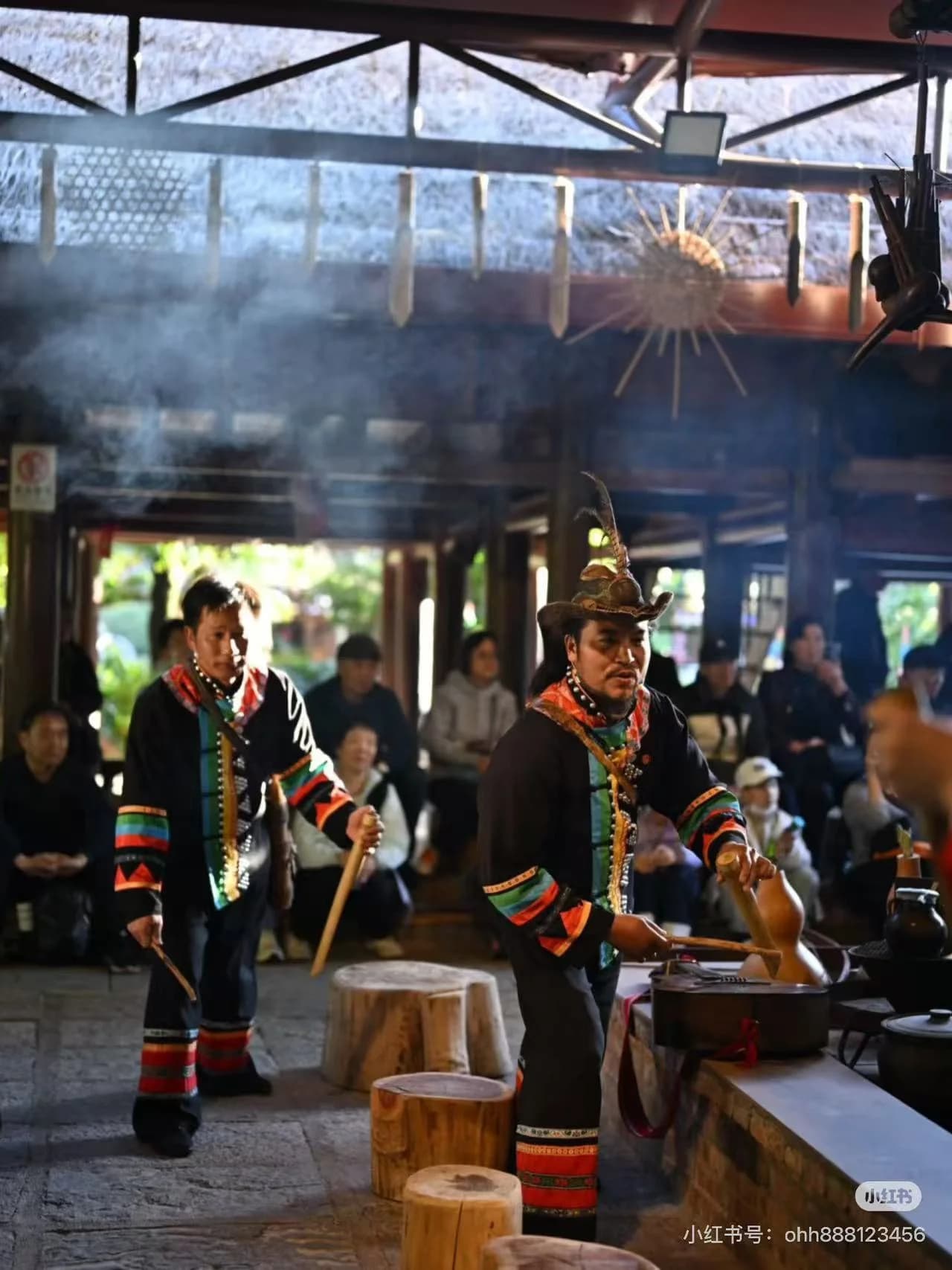
📸 【Image 1 — Hero】 Place at top of article
- Search keywords:
Yunnan Nationalities Village Kunming ethnic minority village Dianchi
- Brief: Yunnan Nationalities Village interior, ethnic village buildings or performance, multi-ethnic atmosphere
- ⭐⭐⭐ High priority
AI Prompt (if needed): Yunnan Nationalities Village Kunming, ethnic minority village or performance, Dianchi Lake, editorial travel
What This Experience Is
Yunnan has more ethnic minorities than any other Chinese province; Kunming is the gateway to Yunnan and the easiest place to get a concentrated sense of that diversity. You don’t need to go deep into the mountains or far away—in half a day to a day you can touch it: Yunnan Nationalities Village by Dianchi Lake recreates the villages and customs of 25 ethnic groups; Yunnan Nationalities Museum next door is free and uses architecture, dress, artefacts and exhibitions to show why Yunnan is a multi-ethnic home. Walk the villages, watch performances, visit the museum—not a quick tick-list but a tangible, visible understanding of “multi-ethnic Yunnan”; many leave with the satisfaction of “having touched multi-ethnic culture in Kunming.”
In a sentence: The village needs a ticket (day ticket about ¥90), allow 3–5 hours; the museum is free and closed Mondays, allow 1–2 hours. They’re next to each other and can be done the same day—the main way to experience multi-ethnic culture in Kunming.
The Real Experience
Yunnan Nationalities Village: villages and performances
The village is in the southwestern suburbs of Kunming, by Dianchi Lake, with 1:1 reconstructions of 25 ethnic villages—Dai, Bai, Yi, Naxi, Jino, Lahu, Blang, Wa and others—each with buildings, crafts and explanations. There are song and dance shows, folk performances and festival events (e.g. Dai Water-Splashing Festival, Yi Torch Festival—confirm with the venue). You can follow the suggested route through the villages or pick a few to focus on. Day session 9:00–18:00 (last entry 16:30); night session has different hours and price. Allow 3–5 hours; comfortable shoes and water.
What it feels like: The villages are recreated, but the architecture, dress and performances quickly give you a sense of “how many ethnic groups in Yunnan and what they look like.” You realise Yunnan isn’t just landscape—it’s a living multi-ethnic place; good if you want an overview before deciding whether to go deeper in Dali, Lijiang or Xishuangbanna.
Yunnan Nationalities Museum: free and in-depth
The museum is next to the village and one of China’s largest ethnic museums, with over 40,000 items: dress, ancient texts, instruments, masks, folk art and more. Permanent exhibitions use objects and text to explain each group’s origins, distribution and culture; some sections have English captions. Free entry with valid ID (collect a ticket at the lobby); Tuesday–Sunday 9:00–16:30 (last entry 16:00), closed Mondays. Allow 1–2 hours; village first then museum, or museum first then village, both make a full half-day.
What it feels like: The museum is quieter than the village but information-dense; after the museum the village makes more sense, or after the village the museum “clicks.” Many leave with a clear picture of why Yunnan is multi-ethnic and how the groups differ.
Festivals and timing (optional)
The village runs special events around the Dai Water-Splashing Festival (around April) and Yi Torch Festival (around June)—more atmosphere but more crowds; if your dates match and you like the buzz, check the venue calendar. On normal days it’s quieter and you set the pace—good if you want to focus on villages and museum.
What it feels like: First time, focus on village + museum and treat festivals as a bonus; you’ll leave with the satisfaction of “having touched multi-ethnic culture in Kunming” and then decide whether to see more in Xishuangbanna, Dali or Lijiang.
Is It Worth It
Short answer: If you want to understand “Yunnan is multi-ethnic” in Kunming without relying on food, it’s well worth half a day to a day at the village + museum.
You’ll enjoy it when:
- You’re interested in ethnic diversity and Yunnan’s cultures—the village and museum are Kunming’s most concentrated “multi-ethnic classroom”
- You’re planning Dali, Lijiang or Xishuangbanna next—get the overview here first and the rest will make more sense
- You can walk 3–5 hours and don’t mind some sun—the village is large; comfortable shoes, water and sun protection
- You’re happy to spend half a day to a day on “culture” rather than only nature or food—this is about seeing and listening, not eating
Maybe not when:
- You only care about scenery or food—the village and museum are culture-focused; switch to the Stone Forest or rice noodles
- You only have half a day and prioritise the Stone Forest or Green Lake—village + museum need at least half a day; do the Stone Forest on another day
- You expect “untouched villages”—the village is a recreated display, not original; the museum is where you get depth
Honest take: In Kunming, the village + museum are the main way to experience multi-ethnic culture; no food, no long trip, half a day to a day gives you a tangible understanding of “multi-ethnic Yunnan.” Many leave with the satisfaction of “having touched multi-ethnic culture in Kunming.”
How to Do It (Guide for International Visitors)
Tickets and booking
Yunnan Nationalities Village: Paid entry; day ticket about ¥90 per person (confirm on venue); night session has separate pricing. Students, seniors etc. have discounts—check the official or authorised site before you go. No advance booking needed; buy on site or online.
Yunnan Nationalities Museum: Free; show valid ID (e.g. passport) at the lobby for an entry ticket; daily cap 2000; in holidays arrive early. Closed Mondays; Tuesday–Sunday 9:00–16:30 (last entry 16:00).
Transport
Bus: From town take A1, 44, 73, 24 or similar to “Yunnan Nationalities Village” or “Yunnan Nationalities Museum”; they’re next to each other. From Green Lake or the railway station area about 40–60 min.
Taxi / ride-hail: Set destination “云南民族村” or “云南民族博物馆”; from town about 30–50 min.
The village and museum are on Dianchi Road, a different direction from Green Lake and the Stone Forest; allow a separate half-day or combine with Haigeng Dam on Dianchi the same day.
Payment
For international visitors:
- ✅ Mobile payment — Village ticket office and nearby spots mostly take WeChat/Alipay; see How to Pay in China
- ✅ Cash (RMB) — Have ¥100–200
- ⚠️ International cards — Most on-site places don’t take foreign cards; use scan or cash
The museum is free; no ticket payment.
Language and communication
Signs and text in the village are often bilingual or Chinese; the museum has some English in places. Ticket and info counters can manage simple English or gestures; useful to have: 民族村 mínzú cūn, 博物馆 bówùguǎn, 门票 ménpiào.
Cost overview
| Item | Reference |
|---|
| Yunnan Nationalities Village day ticket | About ¥90 per person; confirm on venue |
| Yunnan Nationalities Museum | Free (with valid ID) |
| Transport | Bus about ¥2–5 one way; taxi about ¥30–60 one way (by starting point) |
Common mistakes
Mistake 1: Going to the museum on Monday—it’s closed; do only the village or visit the museum another day.
Mistake 2: Allowing only 2 hours—the village needs 3–5 hours, plus the museum at least half a day; if short on time do only the village or only the museum.
Mistake 3: Expecting “untouched villages”—the village is a recreated display for an overview; for deeper, more original experiences go to Dali, Lijiang or Xishuangbanna.
Mistake 4: No valid ID—the museum is free but you need ID for a ticket; bring your passport.
Mistake 5: No payment ready—village tickets are mostly by scan or cash; have
How to Pay in China set up.
Who It's For / Who It's Not For
Best for: Anyone who wants to understand multi-ethnic Yunnan and do a “culture half-day” in Kunming; anyone planning Dali, Lijiang or Xishuangbanna who wants an overview first; anyone interested in architecture, dress, festivals and museum exhibitions.
Maybe not when you only want nature or food, only have time for the Stone Forest or Green Lake, or dislike recreated sites—skip or do only the free museum.
Tip: The village + museum are in a different direction from Green Lake and the Stone Forest; allow a separate half-day or pair with Haigeng Dam on Dianchi.
Before You Go Checklist
To experience multi-ethnic culture in Kunming you don’t need the mountains or a long trip: the village gives you the immediate picture, the museum gives you the depth. Half a day to a day is enough for a tangible, visible understanding of “Yunnan as a multi-ethnic home”; many leave with the satisfaction of “having touched multi-ethnic culture in Kunming” and then decide whether to head to Dali, Lijiang or Xishuangbanna.