Last updated: March 2026. Building access may change; interiors may require appointments.
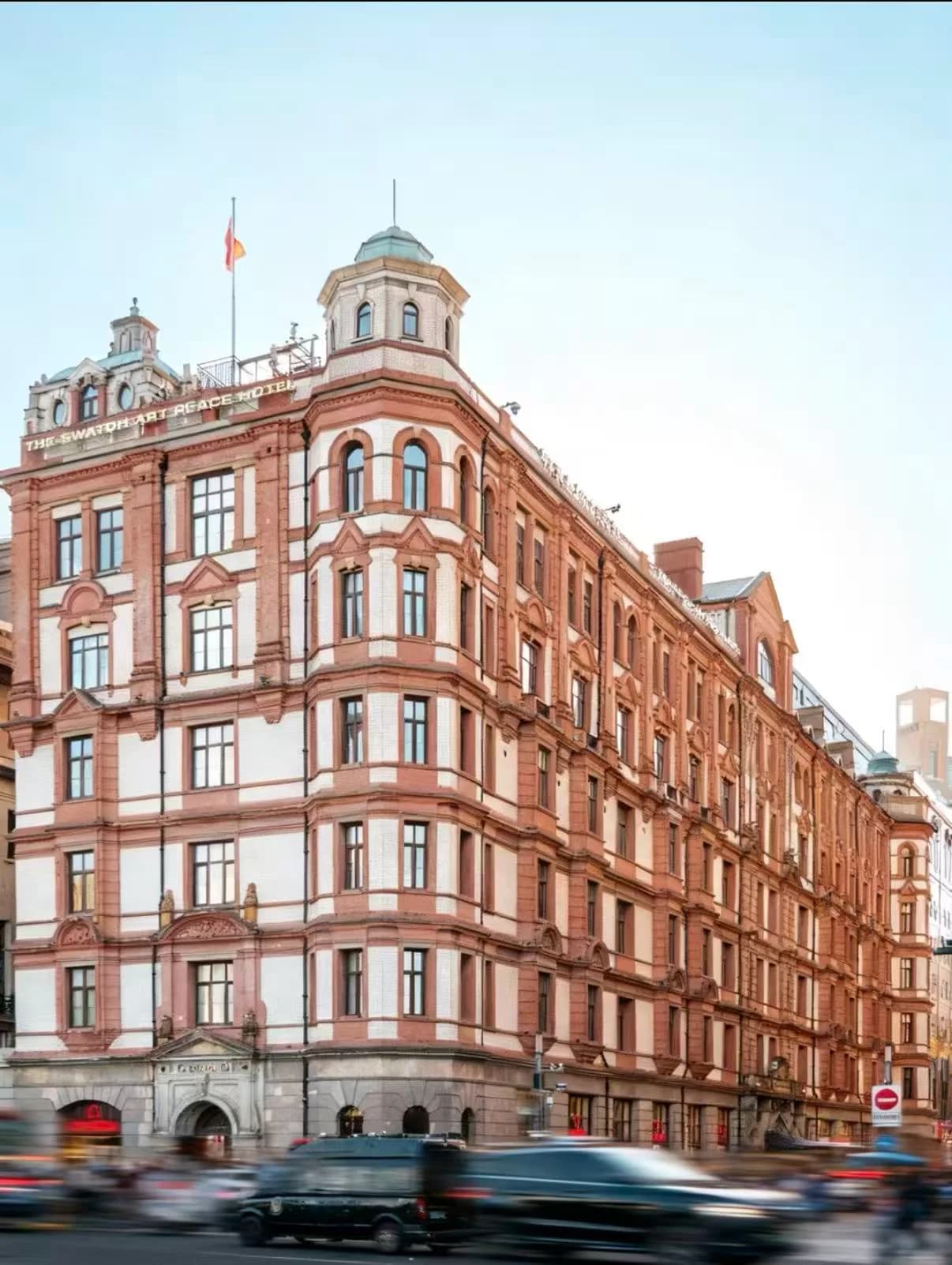
The Peace Hotel's green copper roof is the most photographed Art Deco detail in Shanghai. But here's what most visitors miss: the real story isn't in any single building. It's in the pattern—how a city absorbed a global architectural movement, added its own vocabulary, and ended up with something neither New York nor Paris could claim.
Shanghai has the world's third-largest concentration of Art Deco architecture, after New York and Miami. That fact appears in every guidebook. What they don't explain is why this matters to you as a visitor, or how to actually read these buildings instead of just photographing them.
Why it’s Worth a Special Trip (or Not)
The honest assessment: Art Deco architecture isn't rare globally. What makes Shanghai's collection distinctive is density and accessibility. In a single afternoon, you can see commercial Deco (the Bund banks), residential Deco (the French Concession apartments), and industrial Deco (1933 Old Millfun). That combination exists in very few cities. Plus, unlike New York's Deco skyscrapers, most of Shanghai's examples are viewable at street level—no elevator tickets required.
The Real Experience (Expectation vs. Reality)
The Peace Hotel is the exception that proves the rule. Its lobby is open and spectacular: geometric marble floors, vintage brass elevators, green copper details everywhere. But it's also crowded with tourists taking selfies. The experience of standing in that space is genuinely transporting—until a tour group pushes past you.
The residential buildings in the French Concession present a different reality. The exteriors are beautiful, but you're looking at facades while actual people live behind them. This creates an odd dynamic: you want to appreciate the architecture, but you're also aware of being an observer of someone else's daily life. The buildings at 115 Wukang Road and 240 Wukang Road are prime examples—remarkable Deco details, but clearly private homes.
1933 Old Millfun subverts expectations in the opposite direction. It was a slaughterhouse. The spiral ramps were designed for cattle walking to their deaths. Now it's a creative park with coffee shops and wedding photo shoots. The industrial geometry is extraordinary—those famous umbrella columns, the precise concrete curves—but the current use creates a strange emotional dissonance.
Weather and lighting matter more than most visitors anticipate. Shanghai's humidity creates haze that softens architectural details. The golden hour is brief and unpredictable. If you're serious about photography, you need multiple attempts across different days—not a single afternoon walk.
How to Visit Without Wasting Time
End at the Peace Hotel (20 Nanjing East Road). The lobby is the main attraction. Go early morning or late afternoon to avoid crowds. The geometric marble floors and vintage elevators are the details to focus on—not the green roof you've already seen in photos.
From there, walk south on Wukang Road. You'll pass smaller apartment buildings with refined Deco details at 115 and 240 Wukang Road. These don't have the visual impact of the Wukang Building, but they show how Deco filtered down to everyday residential architecture.
Practical Information (Transport / Time / Cost)
- Bund section: Metro Line 2 or 10 to Nanjing East Road Station. Exit 3 puts you on the pedestrian street, five minutes from the waterfront.
- French Concession section: Metro Line 10 or 11 to Jiaotong University Station. Exit 7 is closest to the Wukang Building.
- Between sections: Metro Line 10 connects both areas directly (12 minutes between Nanjing East Road and Jiaotong University stations). Taxi takes 15-20 minutes depending on traffic.
- Best light: 9-11 AM or 3-5 PM. Shanghai's latitude means the sun is never very low, but these windows provide the most favorable angles for seeing facade details.
- Duration: 2-3 hours for one cluster, 4-5 hours if doing both with travel time.
- Avoid: National holidays (October 1-7, May 1-5) when the Bund is packed with domestic tourists.
- Free to view all exteriors
- Peace Hotel lobby: free to enter
- HSBC Building main hall: free if open (weekday business hours only)
- 1933 Old Millfun: free entry
- Metro: 3-7 RMB per ride depending on distance
- Tripods are technically prohibited in public spaces without permits, though small ones are usually tolerated if you're not blocking foot traffic
- Drone photography is restricted in central Shanghai without special permits
- The best wide shot of the Bund skyline is from the riverside promenade, not street level
Common Misconceptions
Art Deco is often described as Shanghai's "architectural heritage," but that framing misses something. These buildings aren't heritage in the museum sense. They're working parts of a living city—banks processing transactions, apartments housing families, hotels welcoming guests. The style that defined Shanghai's golden age never stopped being used.
When you stand in the Peace Hotel lobby or look up at the Wukang Building's ship-shaped silhouette, you're not observing a historical period. You're seeing how a city once imagined its future, and how that future became its present.