Last updated: March 2026. Spring bloom and holiday dates may vary slightly year to year.
April in Xi'an is the season many visitors remember long after they leave: cherry blossoms against Tang-dynasty temple walls, a bike ride around the 600-year-old city wall in weather that's neither hot nor cold, a morning at the Terracotta Warriors without sweating in the pits, and an evening in the Muslim Quarter with skewers and sour plum drink and a breeze that feels just right. For anyone wanting ancient capital, outdoor time, and street food in one trip, spring is one of the best windows—as long as you aim for early April through early May and avoid the Qingming and May Day holidays.
One-Sentence Summary
Not good for: Severe allergy sufferers (pollen / poplar fluff), or anyone who wants to avoid crowds entirely
Best window: April 1–25 (avoid May Day)
Why Spring Is Worth It
Qinglong Temple Cherry Blossoms—Spring in a Tang Backdrop
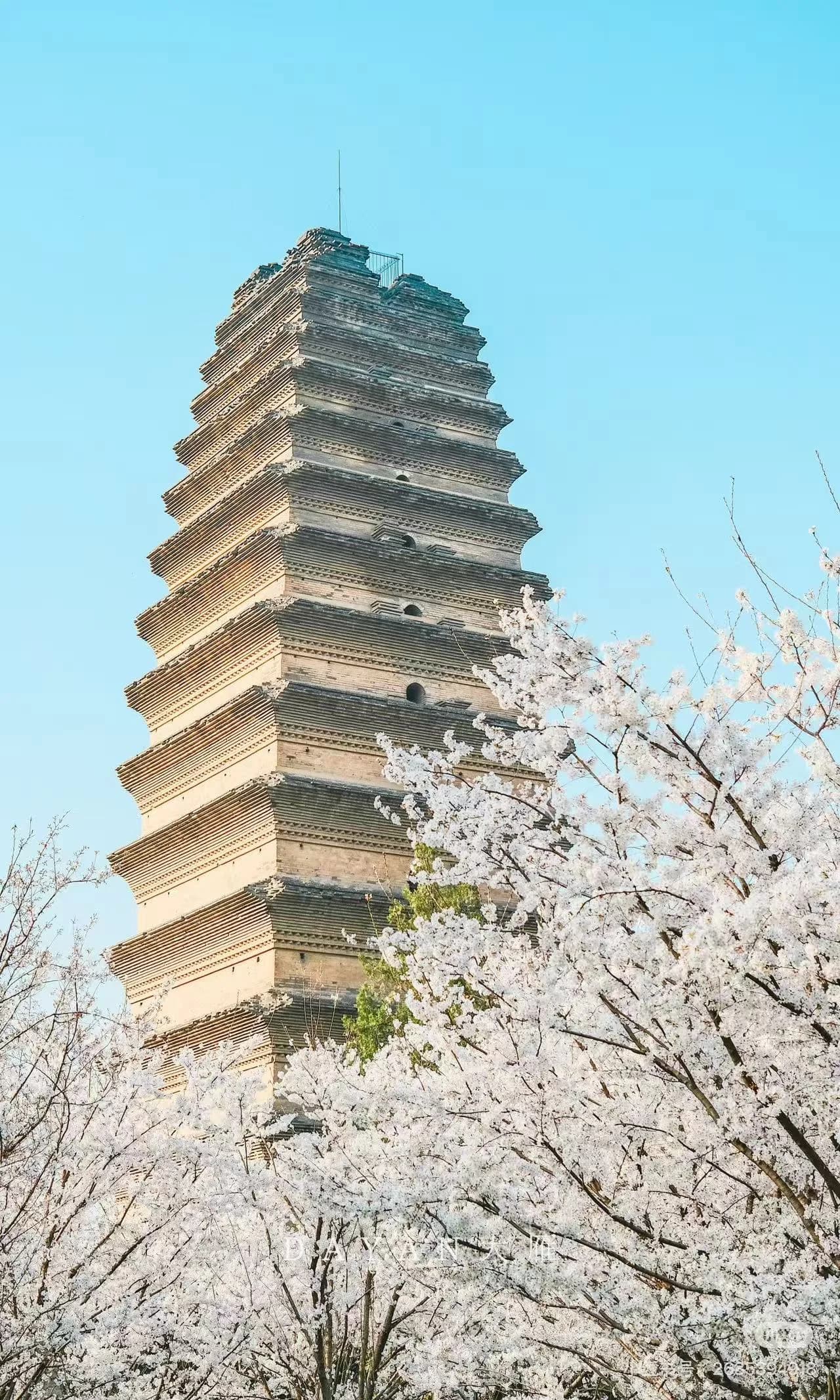
For many visitors, cherry blossoms mean Japan or a generic park. Xi'an's Qinglong Temple offers something else: blossoms in front of tiered pagodas, gray brick, and Tang-style courtyards—no skyscrapers, no Western-style lawns. One glance and you know you're in China's ancient capital. The temple has had cherry trees since the Tang dynasty; from late March to mid-April the grounds fill with flowers, and when the wind blows, petals land on stone steps and gray walls. Plenty of people plan their Xi'an trip around these few weeks.
Mornings are softer light and thinner crowds—good for a slow walk and photos. After that, lunch near the Big Wild Goose Pagoda and an afternoon at the north plaza or the Shaanxi History Museum rounds out a day that pairs "ancient capital" with "spring flowers." Bloom season lasts about two weeks, with some variation each year; check the current year's forecast before booking.
- Bloom period: Late March–mid-April
- Getting there: Metro Line 3, Qinglong Temple station
- Admission: Reservation required; free or nominal fee (confirm on the official site)
- Tip: Go on a weekday morning; weekends are busy
City Wall Cycling—Spring Is the Best Time for a Full Loop
Xi'an's city wall is one of the few in the world you can cycle around in full—13.7 km on Ming-dynasty brick. Spring is when most people find it most comfortable: enough sun to see clearly, not enough to bake, and wind that doesn't bite or blast. From South Gate (Yongningmen), a full loop by rental bike takes about 1–2 hours. Under your wheels is Ming brick; in front of you, old tiled roofs and distant towers. That "cycling on history" feeling is at its best in spring.
Sunset timing works well too—by the time you reach West or North Gate, the gate towers are often lit. If you'd rather not cycle the whole way, the stretch from South to East Gate is enough to feel the scale. Wear shoes with grip; the brick can be slippery after rain.
- Open: Daytime; South Gate lit into the evening
- Admission: About ¥54 (confirm on the official site)
- Bike rental: Multiple points on the wall; deposit or ID required
- Tip: Late afternoon or early evening in April for the best light and comfort
Terracotta Warriors—Comfortable Weather for a Half-Day Out of Town
The Terracotta Army is in Lintong, about 40 km from downtown. Spring makes the trip easy: the pits have no air conditioning, so summer can be stuffy and hot; in spring you can spend 2–3 hours in the pits without overheating or shivering. For first-time visitors, that means more attention on the figures and the history, less on finding shade.
Spring is also peak domestic travel, so the site is busy almost any day—Qingming and May Day especially. Weekday visits and an early start help; book your timed slot online in advance.
- Booking: Real-name reservation required; in peak season, book 3–7 days ahead
- Getting there: Metro Line 9 to Huaqingchi, then Lintong bus or shuttle
- Tip: Arrive at opening on a weekday; allow a full half-day
Muslim Quarter Night Market—Outdoor Evenings at Their Best
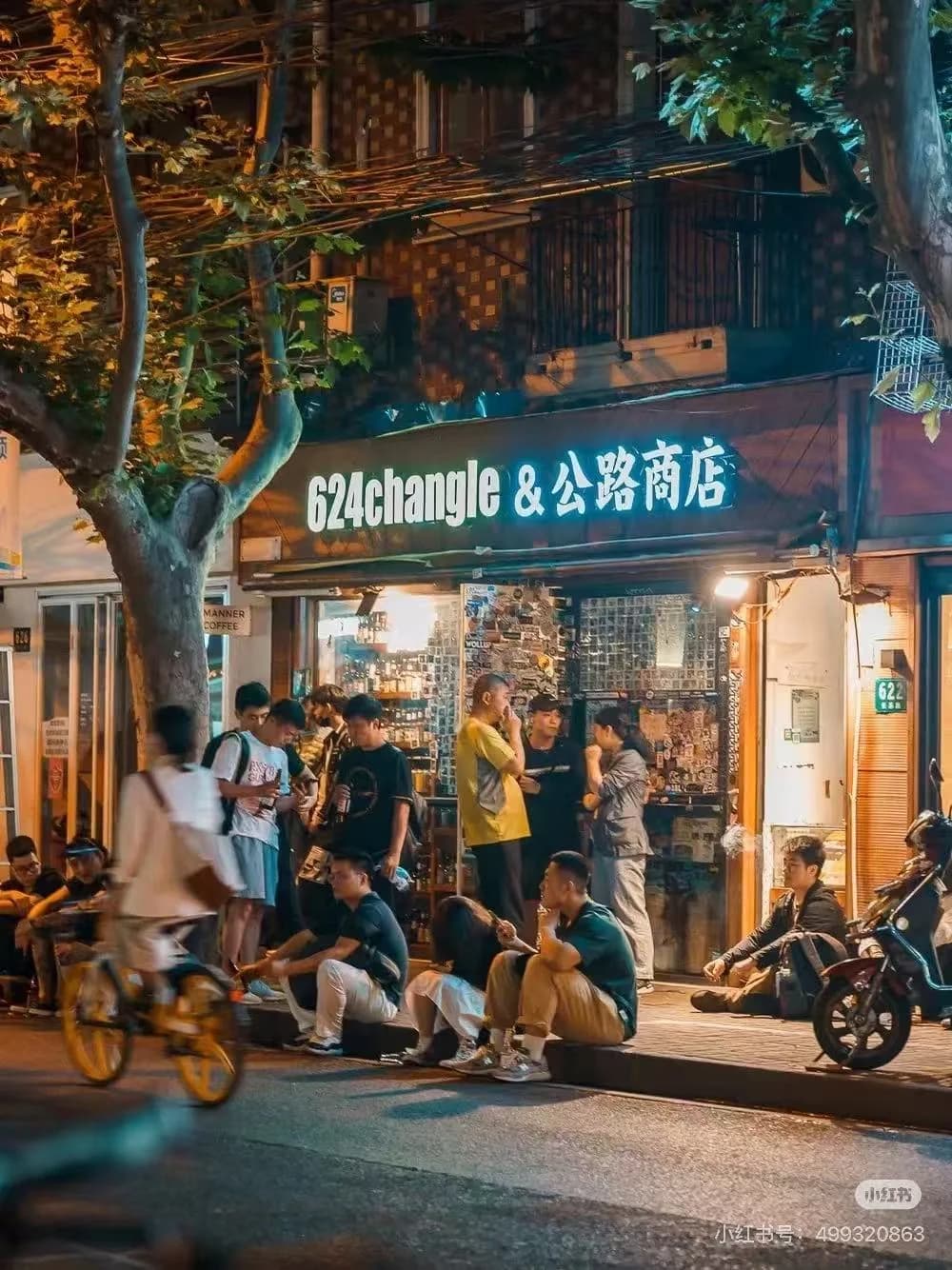
The Muslim Quarter (Huiminjie and nearby lanes) is open year-round, but spring evenings suit many visitors best: not cold enough to huddle over soup, not sticky like summer. Sitting outside with lamb skewers, sour plum drink, and roujiamo hits different. Roujiamo, yangroupaomo, biangbiang noodles, red willow skewers, naan—by dusk the lanes fill up, and by eight or nine the lanterns are on and the smell of smoke and spice is everywhere. For a lot of people, this is the "Chinese night market" they had in mind.
To dial back the crowds a bit, go on a weekday evening or head to slightly quieter lanes like Sajinqiao or Dapiyuan—same authentic food, fewer tourists.
What to Plan For (Spring's Cost)
Spring in Xi'an is worth it; a little planning keeps downsides to a minimum.
Qingming and May Day
Qingming (around April 4–6) and May Day (May 1–5) are peak travel periods. Major sites—Terracotta Warriors, city wall, Qinglong Temple, Big Wild Goose Pagoda—get busier and hotel prices rise. If your dates are flexible, aim for April 1–25 and skip those holidays; the same itinerary will feel much easier.
Occasional Dust and Haze
Xi'an is in the northwest; March into early April can bring dust or light sand, with yellow sky and reduced visibility. It's less frequent than in Beijing, but on those days outdoor quality drops. Check the week-ahead forecast; if dust is predicted, shift wall cycling or Qinglong Temple to another day or swap to an indoor option (e.g. Shaanxi History Museum).
Poplar Fluff and Pollen
From mid- to late April, poplar fluff may appear. If you have allergies, bring a mask and consider eye drops or antihistamines. It doesn't have to change your plans—just come prepared.
Short Bloom Window
Qinglong Temple's main cherry bloom lasts only two to three weeks; miss it and you wait a year. If the blossoms are a main reason for your trip, check the official or local bloom forecast for the year before locking in flights and hotels.
What to Wear in Spring
- Light jacket (trench or thin fleece)—cool mornings and evenings
- Long sleeves or thin knit—easy to take off at midday
- Long pants or long skirt—sun and bugs
- Shoes with grip and comfortable for walking (wall and temple grounds)
- Backup: umbrella (April can have rain), mask (dust / fluff)
3-Day Spring Itinerary
Three days is enough to hit the highlights: wall cycling, Muslim Quarter nights, Qinglong Temple blossoms, and the Big Wild Goose Pagoda area, plus a half-day for the Terracotta Warriors.
Day 1: City Wall + Muslim Quarter
Day 2: Qinglong Temple + Big Wild Goose Pagoda
Day 3: Terracotta Warriors Half-Day
Summary
Must-do: Qinglong Temple blossoms + wall cycling + Muslim Quarter night market
Avoid: Qingming, May Day, and dust days when possible
Before you go: Book Terracotta Warriors and museum; check cherry bloom forecast for the year
If you're looking for a China trip that combines ancient capital, flowers, cycling, and night markets, spring in Xi'an belongs on the list. Book tickets and reservations a bit ahead, and you can give those best weeks to this trip.