Last updated: March 2026. ** Lines and train operations will be adjusted. The specific train number is subject to 12306.
【Opening Paragraph】
【Core Content Sections】
Is This Right For You
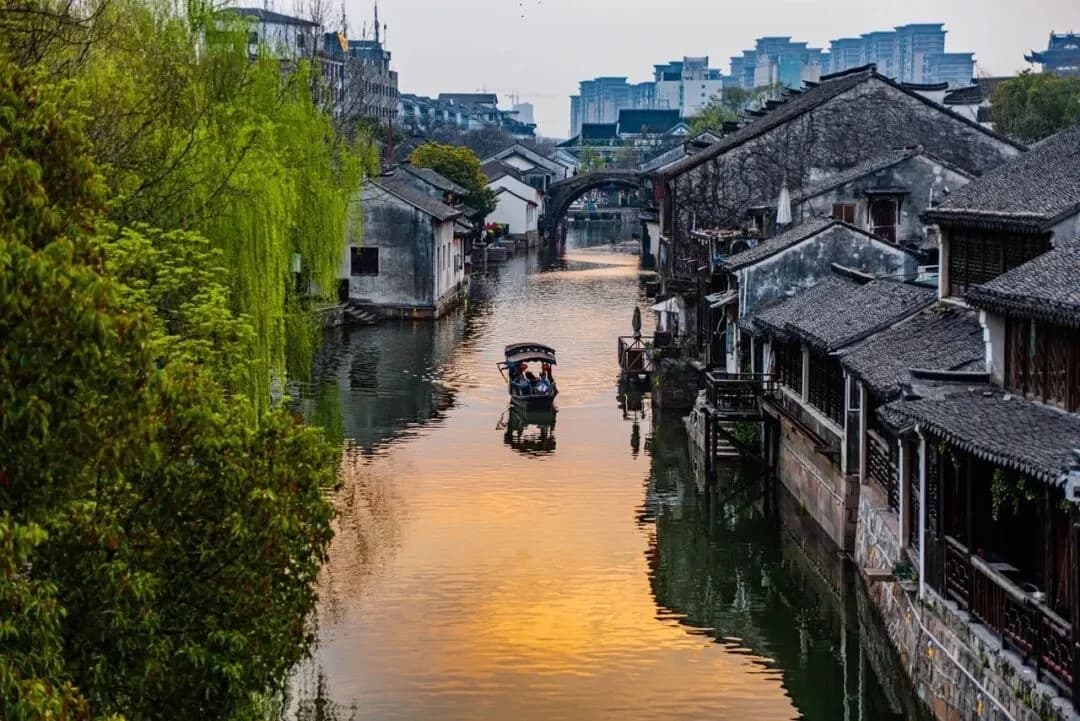
- ✅ Recommended for: People who want to see Jiangnan Water Town but don’t want to rent a car; people who like “walking + walking along the river + eating in small shops” and are willing to treat the ancient town as a “living space” rather than a “photo spot”.
- ✅ Suitable: People who live around Shanghai/Suzhou/Hangzhou and want to take a "short trip within the railway radius" on the weekend.
- ❌ Not recommended: People who just want to go to one of the most popular ancient towns to take photos and leave in half an hour; that way you can only go to Zhujiajiao/Zhouzhuang without having to run a line.
- ❌ Not suitable: People who hate crowds and can only travel during holidays; the flow of people in Jiangnan Ancient Town during holidays is a hard cost.
Route Overview
| Days | City/Region | Daily Topic | Intercity Transportation |
|---|---|---|---|
| Day 1 | Huzhou (Huzhou/Huzhou East/Huzhou Nanxun) | "A sense of life in Jiangnan": start with Huzhou and Nanxun | — |
| Day 2 | Huzhou → Suzhou South (Wujiang) | "Water Network Jiangnan": Choose one of Lili/Zhenze/Zhouzhuang | Shanghai-Suzhou High-speed Railway (according to train number) |
| Day 3 | Suzhou South/Liantang → Shanghai (Qingpu) | "Suburban Jiangnan": Finishing in Liantang or Zhujiajiao | Shanghai-Suzhou High-speed Railway (according to train number) |
**Why is it arranged like this? ** Huzhou and Nanxun are more like Jiangnan, where "people live here", and less like scenic spots. Entering here first, and then going to more popular ancient towns the next day, it will be easier to distinguish the difference between "sense of life" and "commercialization". The ancient towns in Wujiang, where Suzhou South is located, have a high density, making it suitable to spend a day on the theme of "Water Networks and Alleys". Finally, we finish in Qingpu, Shanghai, which has the most friendly transportation for the return trip.
Day 1: Huzhou - take "shopping and eating" as the main theme
morning / noon
- First, place the hotel in a location where you can walk into the old streets; Huzhou is suitable for measuring with your feet.
- Don’t look for internet celebrity restaurants for lunch: it’s more reliable to find local restaurants with lots of people.
afternoon
- Yishang Street/Xiaoxi Street This type of old street is most suitable for the first day: no complicated tickets or reservations are required, just follow the river and you can play.
- I would like to add a point of "stronger water town feeling": you can put Ogang to this evening (closer to the "not over-packaged" river town temperament).
night
- Leave dinner to a small shop and eat together: the happiness of Jiangnan small town comes from "eating small but eating right".
Day 2: Huzhou → Suzhou South - the day with the highest density of Wujiang ancient town (high-speed rail city change day)
morning
- Take the high-speed rail to Suzhou South (direction to Fenhu/Lili) and take a taxi/bus according to your destination after exiting the station.
Afternoon (it is recommended to choose one of the two)
- Choice A: Lili Ancient Town (quieter and more life-like): suitable for walking, watching alleys and bridges; the free area is enough for strolling.
- Choice B: Zhouzhuang (more classic, more mature): larger in scale and with more people, suitable for those who want the "most standard water town picture".
night
- If you live around the ancient town, walking along the river at night is more comfortable than during the day; but you should pay attention to the return transportation time (there are few cars at night in some areas).
Day 3: Liantang/Zhujiajiao - treat the suburbs of Shanghai as the "last stop"
morning
- Choose Liantang: quieter and more like "a slow town stolen on the edge of Shanghai".
- Or choose Zhujiajiao: more lively and commercial, but also more convenient for the needs of "want to take a look when you first come".
afternoon
- Return to Shanghai from Qingpu direction (Hongqiao is the most convenient). If you have to fly out or catch a train on the same day, tighten up your itinerary and don’t rush to the last stop.
night
- After returning to Shanghai, a "non-ancient town" dinner will make the contrast more obvious: ancient towns are not all of Jiangnan, and Jiangnan is not just ancient towns.
High-speed rail connection (implemented on a daily basis)
- Day 1 (Landing in Huzhou): Staying in a location "within 20 minutes to Huzhou Station/Huzhou Nanxun Station" will make the transition easier the next day.
- Day 2 (Huzhou → Suzhou South): It is recommended to take the bus in the morning and take a taxi directly to Lili/Zhouzhuang after arriving in Suzhou South; when the bus schedule in the ancient town is unstable, taking a taxi will save time.
- Day 3 (Suzhou South/Liantang → Shanghai): Put your return ticket before evening and leave half a day for the ancient town; avoid the anxiety of rushing before the last bus.
- General Principle: "High-speed rail + last-minute taxi" in the Jiangnan Ancient Town section is usually more stable than "waiting for the bus + transferring", especially for foreign tourists who come to China for the first time.
Getting There and Getting Around
- Tickets: It is very convenient to use high-speed rail between cities along the line; for the first time ticket purchase/entry process, please refer to China's High-Speed Rail.
- Traffic in the city: Most of the ancient towns are in the suburbs, and you usually need to take a taxi/bus after leaving the station; it is easiest to screenshot the Chinese name of the destination into the photo album of your mobile phone.
- Payment: A large number of mobile payments are used in shops/tickets/transportation; process How to Pay in China before traveling.
Practical Information
| Projects | Suggestions |
|---|---|
| Recommended number of days | 2–3 days (the 3-day weekend version is the most stable) |
| Best Months | March–May, September–November |
| Difficulty | Low – Medium (Taking a taxi and transferring) |
| Daily budget (mid-range) | ¥500–900/person/day |
| Crowd flow reminder | There are many people in the ancient town during holidays; try to avoid peak hours or arrive early |
Book These in Advance
- Weekend Accommodation: In popular spots such as Nanxun/Zhouzhuang, there will be fewer rooms on weekends, so it is recommended to book in advance.
- Holiday Tickets: Cross-city short-term routes will also be tight, especially on popular travel days; handle them in advance at 12306/Trip.com.
Tips and Tricks
- Don't overdo the water towns: 1–2 per day is enough; any more and it just becomes a rush.
- "Sense of life" priority: Quieter ancient towns such as Diggang/Liantang/Lili are often more suitable for foreign tourists who come to China for the first time to experience the "daily life" of Jiangnan.
- Correct way to play in popular ancient towns: For places like Zhouzhuang/Zhujiajiao, try to arrive as early as possible; leave the busiest main street for the morning.
- Shoes are more important than camera: Stone road + moisture by the river, non-slip and comfortable shoes can determine the quality of the experience.
- Prepare Chinese names: It is more effective to use Chinese for the ancient town entrance/visitor center/parking lot names, and taking screenshots is faster than temporary typing.
What to Cut If You're Short on Time
- Only 1 day left: Choose one of Zhujiajiao or Zhouzhuang (if you want to save time, choose Zhujiajiao, if you want to be more classic, choose Zhouzhuang).
- Only 2 days left: Huzhou + Nanxun do "Living Jiangnan", plus a popular ancient town (choose one of Zhouzhuang/Zhujiajiao).
- Not recommended: The "low-intensity old street walk" on the first day is the key to slowing down the pace.
Before You Go Checklist
- □ Payment: Complete mobile payment settings - see How to Pay in China
- □ Network: Make sure there is an available network when you land (rely on it to check directions/take a taxi) - see Staying Connected in China
- □ Transportation: Save a screenshot of the Chinese name of the destination and the hotel address (this is what drivers/ticket salespeople do)
FAQ
**Q1: Is it possible to visit multiple Jiangnan ancient towns without driving? ** able. The key is to "choose ancient towns close to the station + control the number of ancient towns per day" to reduce the distance to a controllable range.
**Q2: How to choose between Liantang and Zhujiajiao? ** If you want to be quiet and see a more "local" small town atmosphere, choose Liantang; if you want to see a more mature water town commercial street and tourist atmosphere, choose Zhujiajiao.
**Q3: What are the stations along the Shanghai-Suzhou-Huzhou High-speed Railway? ** Officially announced stations include: Shanghai Hongqiao, Shanghai Songjiang, Liantang, Suzhou South, Shengze, Huzhou Nanxun, Huzhou East, and Huzhou (the list may be adjusted with construction/operation, subject to official and 12306).
【Closing Paragraph】