Last updated: March 2026. Train schedules and stop patterns may change; always confirm on 12306.
[Opening Paragraph]
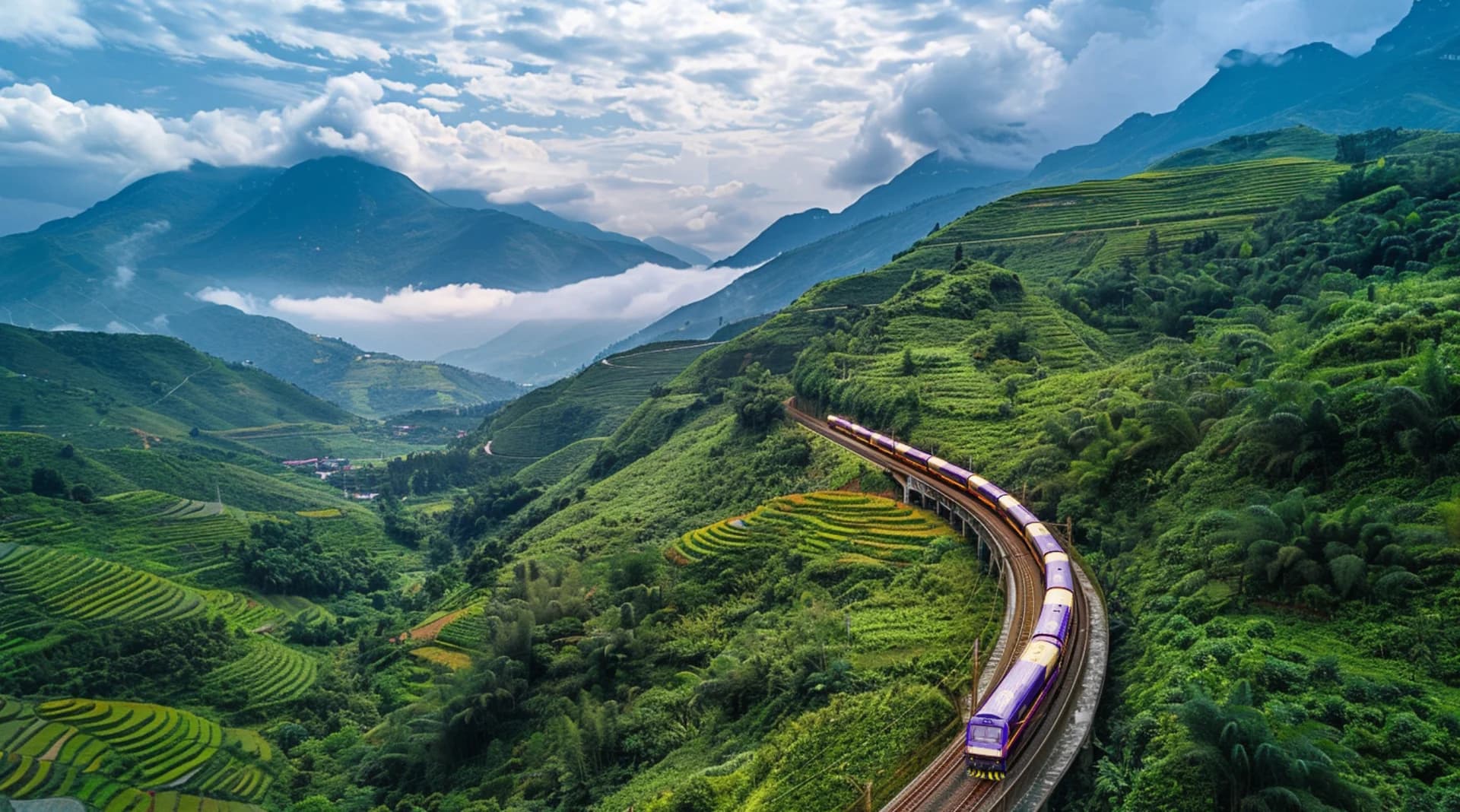
If you want a single rail line that connects Guangxi's famous landscapes with Yunnan's laid-back lifestyle, D3953/D3952 (Guilin North -> Dali) is close to the perfect answer. You can leave Guilin in the morning and reach Dali by evening, passing through Liuzhou, Nanning, Baise, Puzhehei, and Kunming on the way. For first-time visitors to China who do not want to lose vacation time in airports and on highways, the benefits are straightforward: city-to-city travel, no dead scenic gaps, and practical things to do at every stop. You can do it without speaking Chinese, thanks to mature foreigner-friendly systems for ticketing, station entry, ride-hailing, and payment. This guide breaks the route into an actionable 7-day itinerary: unhurried, with a proper meal every day.
[Core Content Sections]
Is This Right For You
- ✅ Recommended for: first-time visitors to China who love scenery and want to connect multiple cities by rail; travelers who want both "world-class views" (Guilin/Puzhehei) and "daily local life" (Liuzhou/Nanning/Dali).
- ✅ Good fit for: non-drivers; people who can handle changing cities daily (but not too aggressively), and who are willing to set up payment and key apps in advance.
- ❌ Not recommended for: travelers who only want to stay in one place for 5 days; or those who only want a quick 2-3 day "Guilin + Yangshuo" check-in trip.
- ❌ Not suitable for: travelers who strongly dislike longer train rides; this route is fundamentally "one scenic segment + one rail segment" each day.
Route Overview
How we plan intercity transit: prioritize morning or midday high-speed trains so you still get a useful half day after arrival.
| Days | City | Daily Theme | Intercity Transport |
|---|---|---|---|
| Day 1 | Guilin | Ease into Guilin's scenery with a city walk | — |
| Day 2 | Guilin -> Liuzhou | Liuzhou: a small city that knows how to live well | Bullet train/high-speed rail (based on same-day schedule) |
| Day 3 | Liuzhou -> Nanning | From flower city to late-night food city | Bullet train/high-speed rail |
| Day 4 | Nanning -> Baise (Jingxi) | Borderland landscapes: waterfalls, valleys, vivid greens | Bullet train/high-speed rail + local transport |
| Day 5 | Baise -> Puzhehei | Summer highlight: lotus ponds, lakes, karst peaks | Bullet train/high-speed rail |
| Day 6 | Puzhehei -> Kunming | Kunming: transfer day as a proper reset day | Bullet train/high-speed rail |
| Day 7 | Kunming -> Dali | Arrive in Dali and slow the pace down | Bullet train/high-speed rail |
Why this order?
Giving Guilin 1-2 days lets you separate Yangshuo from the city itself, instead of rushing through attractions. Liuzhou and Nanning get one day each so you can taste two different sides of Guangxi: Liuzhou is more relaxed, while Nanning comes alive at night. We recommend using Baise city as the gateway to Jingxi, where waterfall-and-mountain scenery is denser. Puzhehei sits in the middle as the visual peak of the route, followed by Kunming for supplies and transfer logistics, then Dali as a gentle finale so your body and pace can settle.
Giving Guilin 1-2 days lets you separate Yangshuo from the city itself, instead of rushing through attractions. Liuzhou and Nanning get one day each so you can taste two different sides of Guangxi: Liuzhou is more relaxed, while Nanning comes alive at night. We recommend using Baise city as the gateway to Jingxi, where waterfall-and-mountain scenery is denser. Puzhehei sits in the middle as the visual peak of the route, followed by Kunming for supplies and transfer logistics, then Dali as a gentle finale so your body and pace can settle.
Difficulty: Moderate (many city changes, but transport is mature).
Budget: Mid-range, about CNY 600-1,000 per person per day (hotel + meals + local transport; excludes international transport to/from China).
Season: Puzhehei's lotus season is best in summer; the route still works in other seasons, but keep extra flexibility during the rainy period.
Budget: Mid-range, about CNY 600-1,000 per person per day (hotel + meals + local transport; excludes international transport to/from China).
Season: Puzhehei's lotus season is best in summer; the route still works in other seasons, but keep extra flexibility during the rainy period.
Day 1: Guilin - Don't Rush to the Most Famous Spots
Morning / Midday
- Stay in central Guilin and recover from jet lag or fatigue first; heading out in the afternoon is usually smoother.
- Prioritize city-style exploration: treat Guilin as "a city built inside landscapes," not just a checklist of attractions.
Afternoon
- Pick one area at city scale: for example, a walk near Elephant Trunk Hill or the Two Rivers and Four Lakes area (no need to check every landmark).
- If you leave early the next day, stay somewhere about a 15-25 minute taxi ride from the station.
Evening
- Save one meal for Guilin rice noodles; one strength of this city is that casual meals are still affordable, making it a great place to warm up your appetite.
Day 2: Guilin -> Liuzhou - Treat Liuzhou as a Slow City, Not Just a Transfer Stop (High-Speed Rail Relocation Day)
Rail transfer checklist (must-do today): confirm your ticket and seat the night before; arrive at the station 20-30 minutes early; after arrival, go "station -> hotel drop-off" before starting afternoon plans.
Morning
- Take the train to Liuzhou. High-speed station procedures are workable with a foreign passport, but first-time travelers may find the information dense, so arriving 20-30 minutes early gives peace of mind.
Afternoon
- Longtan Park (free entry) is a high-value, low-effort choice: no Chinese required and no complicated planning.
- If you want a city night view, Ma'anshan is a simple and direct option.
Evening
- Yes, eat luosifen, but do not stop there: Liuzhou has a high density of street snacks, so dinner can be a mini food crawl.
Day 3: Liuzhou -> Nanning - The Right Way to Enjoy a Late-Night Food City (High-Speed Rail Relocation Day)
Rail transfer checklist (must-do today): confirm your ticket and seat the night before; arrive at the station 20-30 minutes early; after arrival, go "station -> hotel drop-off" before starting afternoon plans.
Morning
- Once you reach Nanning, settle into your hotel first; Nanning is often at its best in the evening and at night.
Afternoon
- Find a pleasant riverside stretch along the Yongjiang River and walk it; do not over-script your day around one mandatory stop. This city's strengths are greenery and a relaxed atmosphere.
Evening
- Treat supper as a proper activity: places like Jianzheng Road Night Market are very friendly for non-Chinese speakers - just point to photos or items and order.
Day 4: Nanning -> Baise (Jingxi) - A Day of Dense Waterfall Scenery (High-Speed Rail Relocation Day)
Rail transfer checklist (must-do today): confirm your ticket and seat the night before; arrive at the station 20-30 minutes early; after arrival, go "station -> hotel drop-off" before starting afternoon plans.
Morning
- After arriving in Baise, transfer toward Jingxi (taxi/private car/local transit depending on the day). Today's goal is not city sightseeing, but maximizing scenery density.
Afternoon
- Pick only 1-2 waterfall or canyon sites; do not over-pack this day, since travel time in scenic areas is often longer than expected.
Evening
- Stay in Jingxi or around Baise, then return to rail rhythm the next day.
Day 5: Baise -> Puzhehei - Lotus Ponds Plus Karst Peaks (High-Speed Rail Relocation Day)
Rail transfer checklist (must-do today): confirm your ticket and seat the night before; arrive at the station 20-30 minutes early; after arrival, go "station -> hotel drop-off" before starting afternoon plans.
Morning
- Take the train to Puzhehei. In peak season, book accommodation early or options drop sharply.
Afternoon
- In summer, schedule lotus ponds and lake views for softer afternoon light. If you plan to hike Qinglong Mountain for sunset, leave enough time for both ascent and descent.
Evening
- Staying within walking distance of the water is usually better value than chasing the cheapest room - fewer taxi rides and less communication friction.
Day 6: Puzhehei -> Kunming - Reset Day: Laundry, Supplies, and a Proper Meal (High-Speed Rail Relocation Day)
Rail transfer checklist (must-do today): confirm your ticket and seat the night before; arrive at the station 20-30 minutes early; after arrival, go "station -> hotel drop-off" before starting afternoon plans.
Morning
- Once in Kunming, recover your energy first. This route changes cities often, and a reset day makes the rest of the journey much easier.
Afternoon
- Flower markets or produce markets often reveal a city's character better than rushing through multiple attractions.
Evening
- Confirm tomorrow's ticket to Dali and your Dali hotel tonight, so you are not handling logistics on the move.
Day 7: Kunming -> Dali - Two Priorities on Arrival: Slow Down and Follow the Light (High-Speed Rail Relocation Day)
Rail transfer checklist (must-do today): confirm your ticket and seat the night before; arrive at the station 20-30 minutes early; after arrival, go "station -> hotel drop-off" before starting afternoon plans.
Morning
- Take the train to Dali. After arrival, check in first and do not rush straight to attractions.
Afternoon
- Start with a walk by Erhai Lake: Dali's value is not how many spots you check off, but how the scenery begins to speak once your pace slows.
Evening
- If you are continuing onward, finalize the next leg tonight; otherwise, keep the evening for a stroll in Dali Old Town or Xiaguan and a comfortable meal.
High-Speed Rail Connection Plan (Day by Day)
- Day 2 (Guilin -> Liuzhou): confirm train number and seat the night before; arrive 30 minutes early on departure day. In Liuzhou, taxi directly to your hotel to drop bags before starting afternoon plans.
- Day 3 (Liuzhou -> Nanning): prioritize a morning train so you keep a full afternoon. Check in first in Nanning, then head to the night market for dinner to avoid dragging luggage around food streets.
- Day 4 (Nanning -> Baise): treat Baise station as a transfer point to Jingxi; ideally arrange your post-arrival taxi/private car plan in advance.
- Day 5 (Baise -> Puzhehei): tickets are tight in peak season; lock in seats 2-3 days ahead. In Puzhehei, prioritize staying within walking distance of scenic transfer points.
- Day 6 (Puzhehei -> Kunming): arriving around noon works best, giving you the afternoon for reset tasks (laundry/ticketing/medicine supplies).
- Day 7 (Kunming -> Dali): take an early or mid-morning train so you keep a full afternoon for Erhai and avoid letting station transfer logistics consume the day.
Getting There and Getting Around
- How to buy train tickets: prioritize 12306 or Trip.com. 12306 may take longer to learn the first time. For the full process, see China's High-Speed Rail.
- Local transportation: in most cities, metro + DiDi is the easiest combo; set up DiDi in advance with Using DiDi in China.
- Payments: many places are effectively mobile-payment-first; do not rely on cash alone. Prepare with How to Pay in China.
Practical Information
| Item | Recommendation |
|---|---|
| Suggested duration | 7 days (for a looser pace: add 1-2 days in Dali) |
| Best months | For lotus in Puzhehei, summer is best; spring/autumn are generally more comfortable elsewhere |
| Difficulty | Moderate (many city changes, but mature transport) |
| Daily budget (mid-range) | CNY 600-1,000 per person per day |
| Language & communication | Keep screenshots of destination names in Chinese; translation app + pointing at photos works for ordering |
Book These in Advance
- Train tickets: around holidays and peak periods, buy early on 12306/Trip.com (ticket pressure is highly date-dependent).
- Puzhehei accommodation: in peak season, staying near the water greatly improves the experience, so book early.
- Dali accommodation: desired room types in Old Town/Erhai areas get more expensive the later you book.
Tips and Tricks
- Set a reset point every two days: cities like Kunming are ideal for laundry, supplies, and recovery; this is more sustainable than pushing nonstop.
- Schedule your best light intentionally: lotus ponds, sunsets, and night views all depend on timing; do not leave them to "if there's time."
- You can choose confidently without Chinese: save screenshots of hotel addresses, attraction names, and station names in Chinese; on-site, showing them is enough.
- Do not reduce Guilin to only famous attractions: a city walk plus one bowl of rice noodles often feels closer to the real Guilin than rushing scenic zones.
- Keep one extra late-night meal in Guangxi: Liuzhou and Nanning are both better at night; saving dinner for food streets makes the trip more immersive.
What to Cut If You're Short on Time
- If you can cut only 1 day: cut deep exploration in Baise (Jingxi), treat Baise as a pass-through, and keep Guilin/Puzhehei/Dali.
- If you can cut 2 days: choose one between Liuzhou and Nanning; keep Liuzhou for more scenery-lifestyle balance, or Nanning for stronger night-food culture.
- Do not cut if possible: Puzhehei (the scenic peak of the whole route) and Dali (the right slow landing at the end).
Before You Go Checklist
- □ Payment: complete mobile payment setup in advance (many small shops depend on it) - see How to Pay in China
- □ Transport: install ticketing and ride-hailing apps, and complete passport info - see China's High-Speed Rail
- □ Connectivity: make sure you have internet immediately on arrival (eSIM/roaming/local SIM) - see Staying Connected in China
- □ Offline backup: save screenshots of hotel addresses and attraction names in Chinese (this is often the most practical fallback)
FAQ
Q1: Can I do this station-by-station train trip without speaking Chinese?
Yes. The key is not fluency, but preparation: tickets, passport, station names, and hotel-address screenshots, plus a translation app.
Yes. The key is not fluency, but preparation: tickets, passport, station names, and hotel-address screenshots, plus a translation app.
Q2: Do I need to ride D3953/D3952 end-to-end exactly as one train?
No. It works more like a backbone corridor: you can buy segmented tickets and choose where to stay based on your interests.
No. It works more like a backbone corridor: you can buy segmented tickets and choose where to stay based on your interests.
Q3: Is cash enough in Guangxi and Yunnan?
Cash alone is not recommended. Mobile payment is mainstream, and cash is better treated as emergency backup.
Cash alone is not recommended. Mobile payment is mainstream, and cash is better treated as emergency backup.
[Closing Paragraph]
This route is ideal for travelers who want scenery as the main course: Guilin's waters, Puzhehei's lotus fields, and Dali's wind and light, threaded together with the everyday energy of Liuzhou and Nanning. Taking it station by station by train feels more like truly arriving than hopping flights. If you do only three prep tasks, make them these: set up payment and connectivity, save key Chinese names as screenshots, and leave unhurried time in both Puzhehei and Dali. Do that, and this karst corridor runs smoothly.
Related Internal Links (3-5)